PRODUCTS
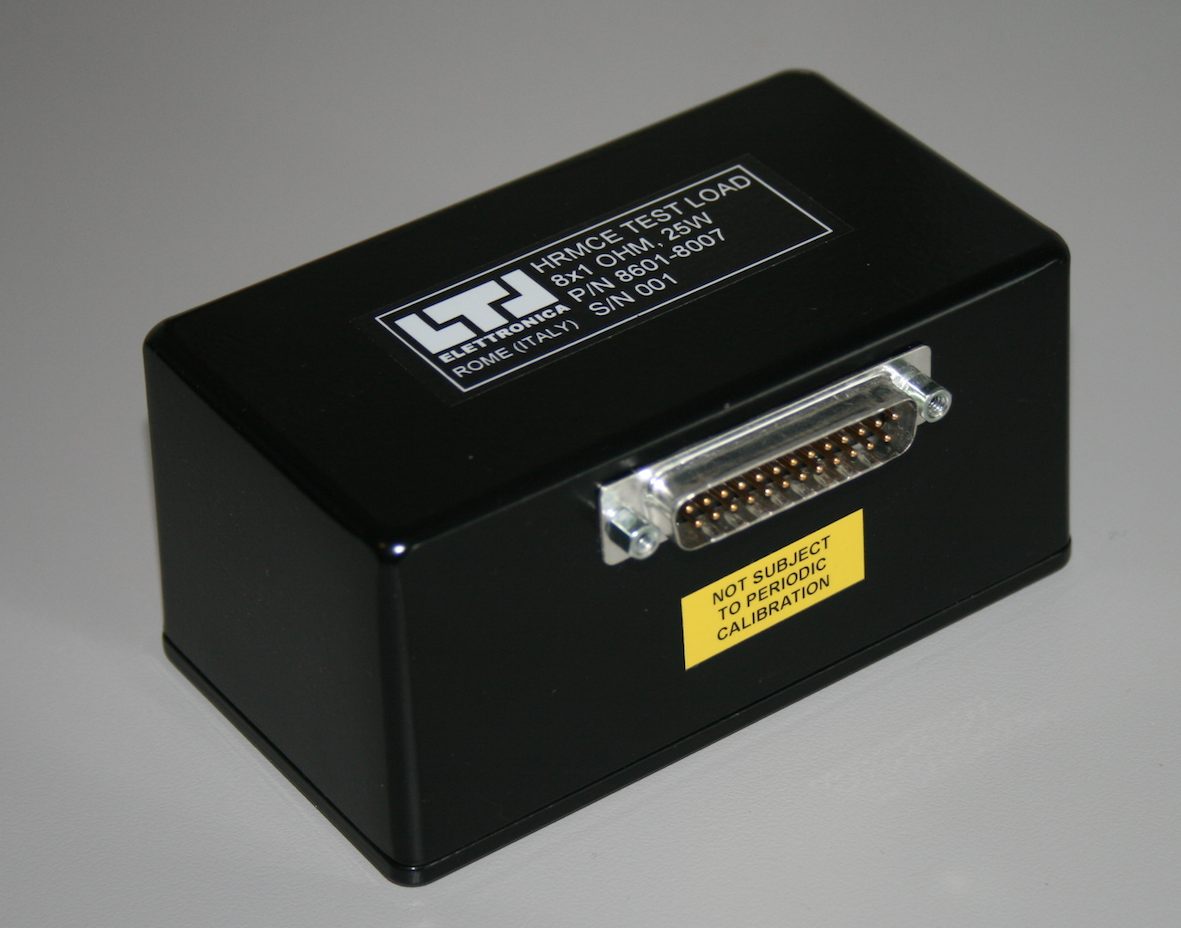
HRMCE EGSE
Model 8601A is a four-channel, high-current pulse generator designed to ignite Electro Explosive Devices (EED), type “NASA Standard Initiators” (NSI), and to activate Non Explosive Actuators (NEA). By providing a high-energy, time-controlled pulse, unit fires standard initiators and squibs well above the all-fire current rating. Constant current design allows long interconnecting cables to be laid between the EGSE and the EED.
KEY FEATURES
- Validated in the following space programs: SICRAL, Athena FIDUS, Bepi Colombo, Euclid, Jason CS/Sentinel 6, One Sat, Biomass
- Constant current design to overcome long wiring harness
- Full analog circuitry, no microprocessor controlled for maximum safety
- Two set of four Nominal/Redundant channels
- Peak current LCD display
- Circuit continuity LED indicators
- 1 V/A test connectors for pulse recording
Applications
- Pyrotechnics and Non Esplosive Actuators (NEA) testing in the aerospace industry
- HRMCE EGSE
- Fireset for testing purposes
- Persona/Segmentation
- Automotive esplosive devices testing (Airbag initiators ,EEV battery disconnection switch, pyro-switch)
DOWNLOAD pdf.
FOUR CHANNEL HIGH CURRENT PULSE GENERATOR FOR EED AND NEA INITIATOR
DOWNLOAD pdf.
2 channel test load with PC23 connectors and BNC test points
DOWNLOAD pdf.
2 or 4 channels test loads with DSUB connectors



TMTC EGSE
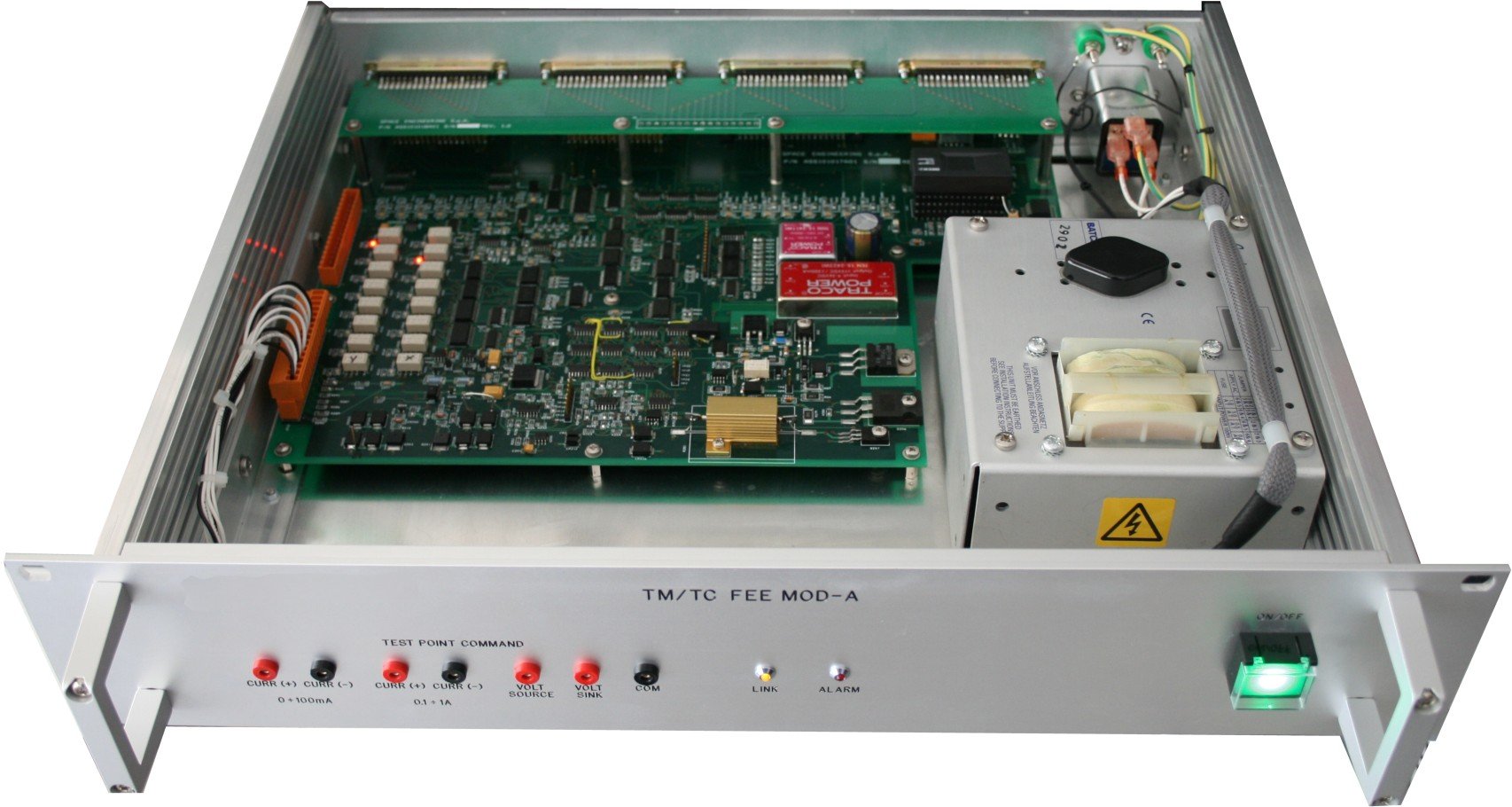
Model 6304A is a telemetry and telecommands (TM/TC) EGSE. This unit is designed to drive latching type microwave relays. The telecommands are generated by the internal source/sink pulse generator (100ms or 750ms selectable). During the pulse, current, voltage, and timing are monitored for every failure condition. Pulse is routed by an 8×8 matrix, giving a a total of 64 telecommands. Telemetry acquistion is available both in analog mode (16 single-ended channels, 8 termistor channels) having a resolution of 12 bits, both in digital mode (16 single-ended channels for switch closures, 32 digital bi-level inputs). Unit is interfaced with a control computer through a LAN or RS232 interface. Command language is compliant with the SCPI protocol, and is accessible either by a Telnet console or by a TCP Socket. Unit was designed to be interfaced with flight units, so a complete FMECA analysis has been made.
DOWNLOAD pdf.
LAPME EGSE
Model 8503S is a complete test equipment EGSE for position and thermal control of two LAPM (Linear Actuators Pointing Mechanism), each one equipped with two Linear Actuators. Thermal control of four additional channels on both nominal and redundant devices is provided. Each LA is equipped with nominal and redundant stator windings, heaters and thermistors, and one LVDT position sensor. Capability to drive bi-phase and three-phase motors, unipolar, bipolar, or custom programmable step sequences. Batch programming of step sequences, ideally suited for anechoic chamber testing of satellite antennas. Unit is enclosed in a transportable package.
DOWNLOAD pdf.

AVIOLINK
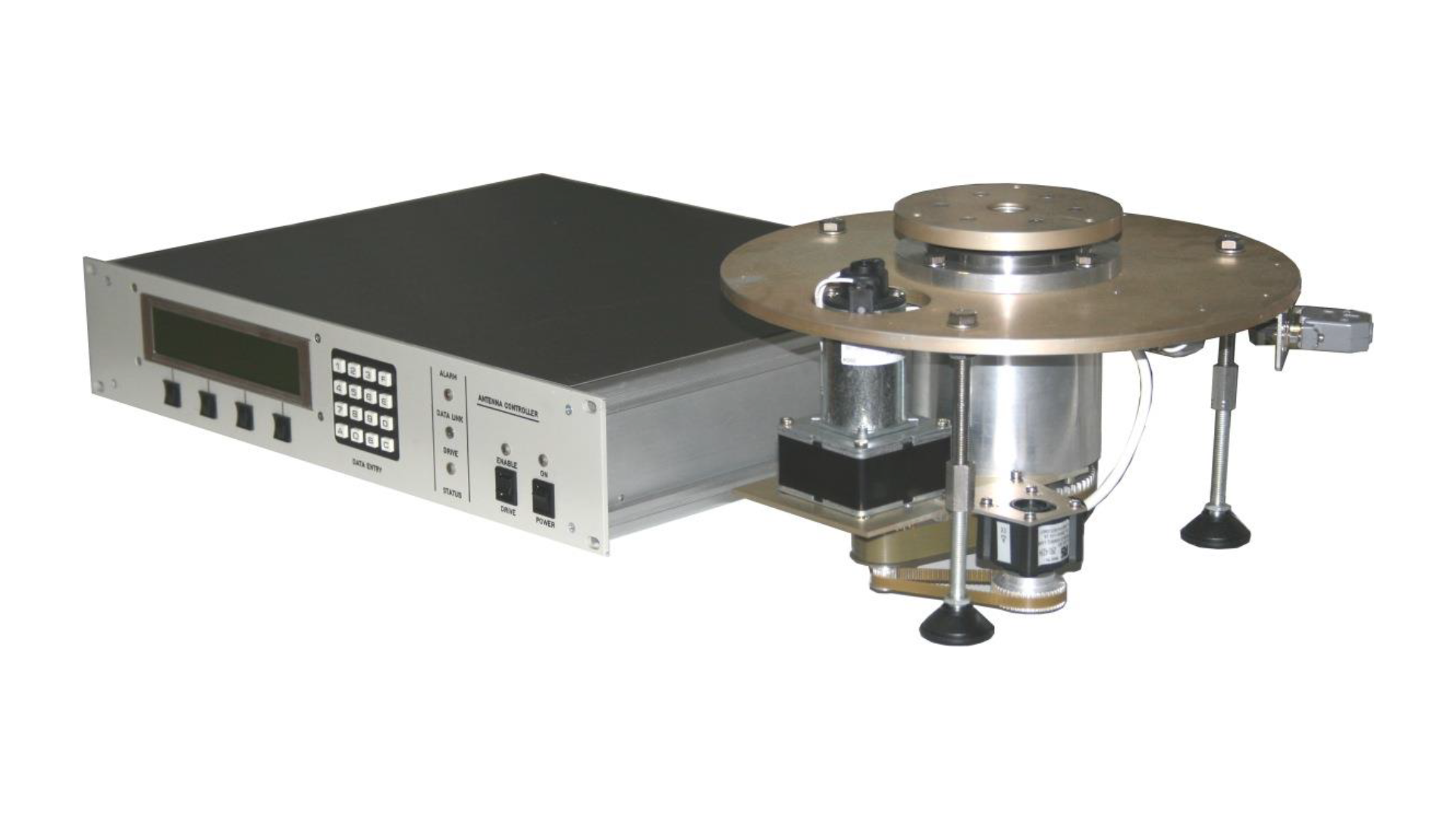
Aviolink Antenna Tracking System for UAV’s drones and manned aircraft. Composed of a radomized antenna unit, and an Antenna Control Unit. Fully remote controllable. The vehicle to be tracked transmit its GPS position through a subcarrier of the on-board video transmitter. This signal is received by the ACU which computes the required tracking angle using as a reference a GPS installed in the antenna radome. The antenna assembly is of the squared cosecant shaped reflector. Full 360 degrees rotation is assured without cable wrap, thanks to a rotary joint. A LNA is installed in the feed (available in the L and S bands). ACU is also available with steptrack and search functions for applications which does not utilize the GPS information.
DOWNLOAD pdf.
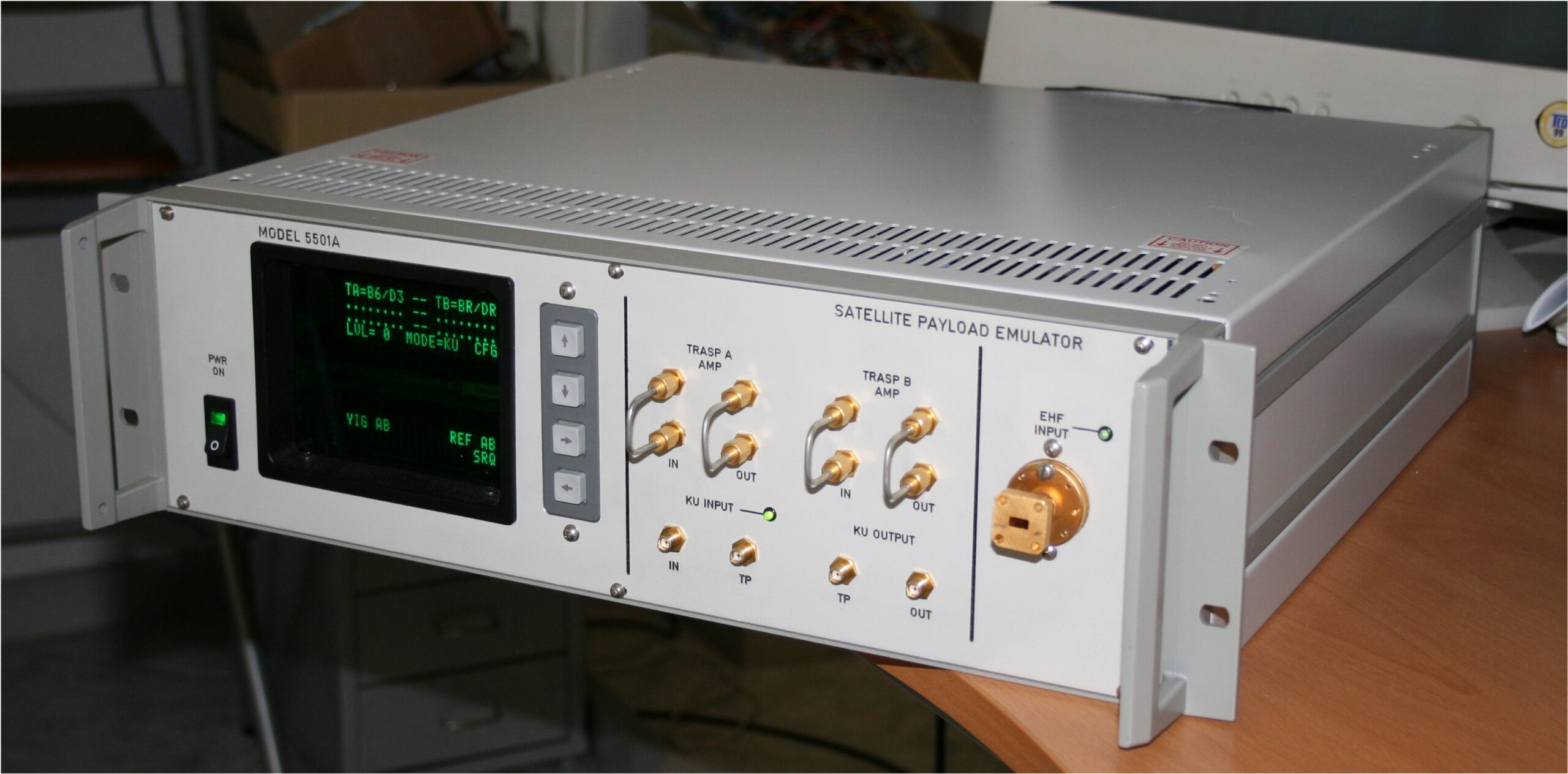
SATELLITE PAYLOAD EMULATOR
Model 5908A is part of the MBCE system (Multi Band Channel Emulator). Unit allows to interface the baseband equipment to a payload emulator, providing for the frequency conversion from/to L-band to C, X, K, Ku, Ka, EHF bands by means of two external synthesizers. Full remote control via GPIB (band selection).